



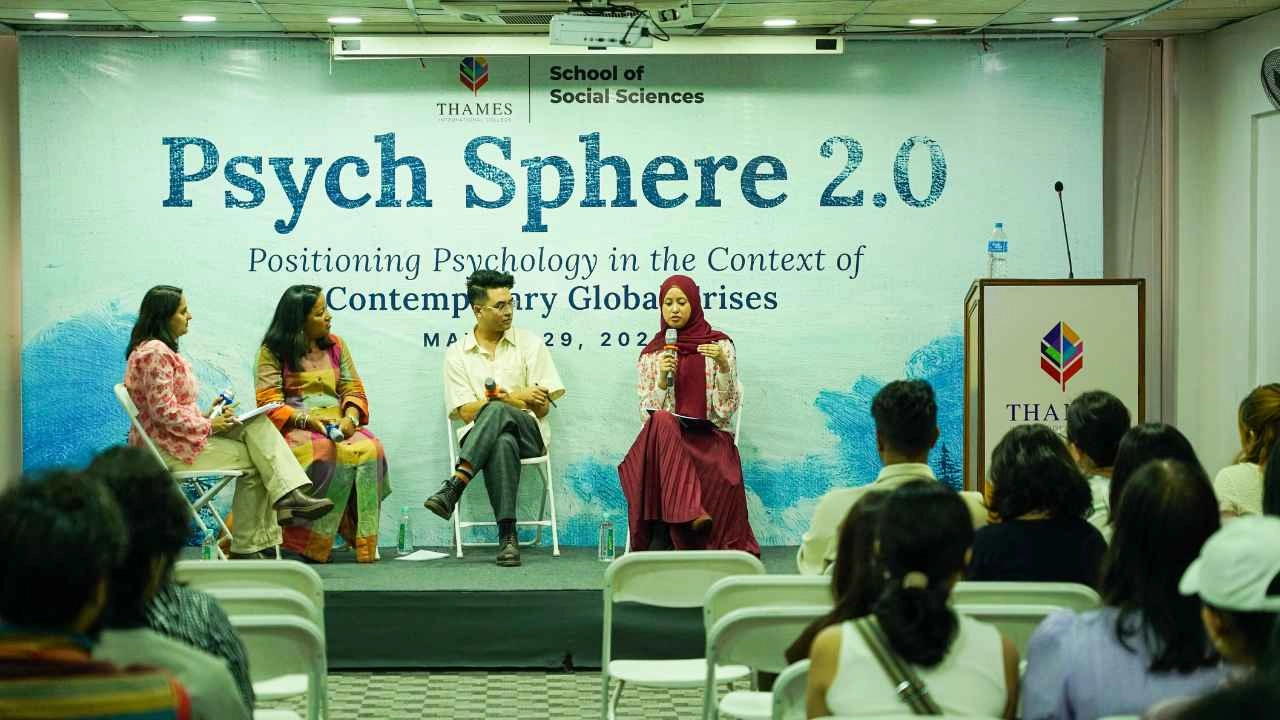
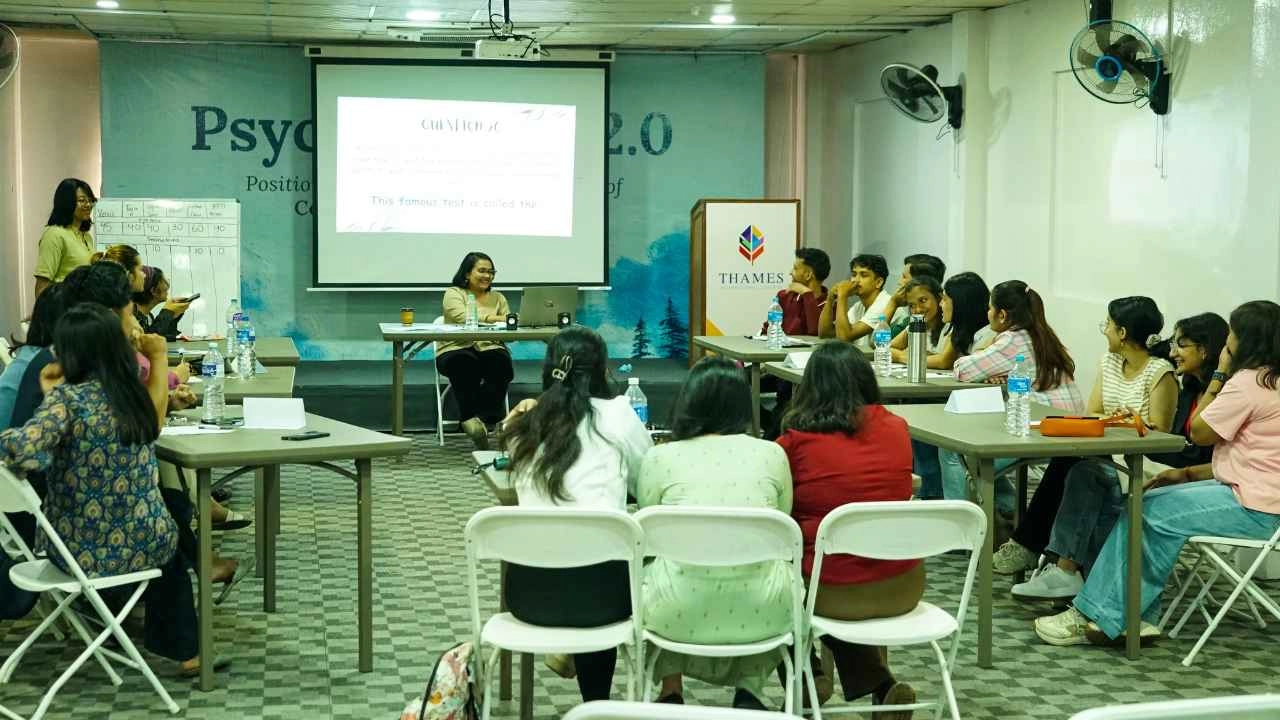
With the theme “ positioning psychology in the context of global crises”, psych sphere 2.0 hosted by the school of social sciences at Thames international college has curated the exhibition focusing on global crises, the role of mental health practitioners as well as the impact and effect on survivors and victims of these crises. The exhibition showcased the resilience and survival of war-torn victims and the need for a more trauma-informed practice in mental health care. The exhibition also had an empathy room and a sensory room for students to decompress and ground. In four rooms, the exhibition included the coping strategies of survivors in conflict zones, the trauma informed approach in psychology and the decompressing and grounding activities.
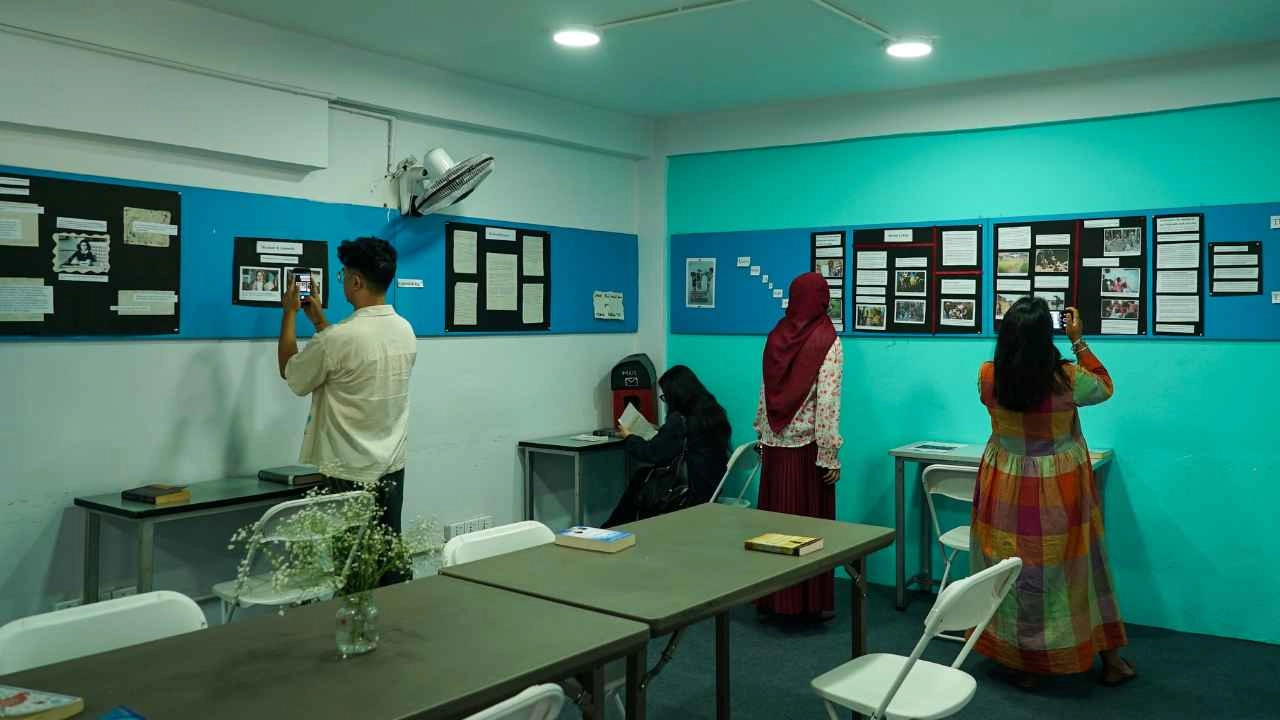
Room I: Stories of Resilience and Resistance: Coping in the Time of Global Crises
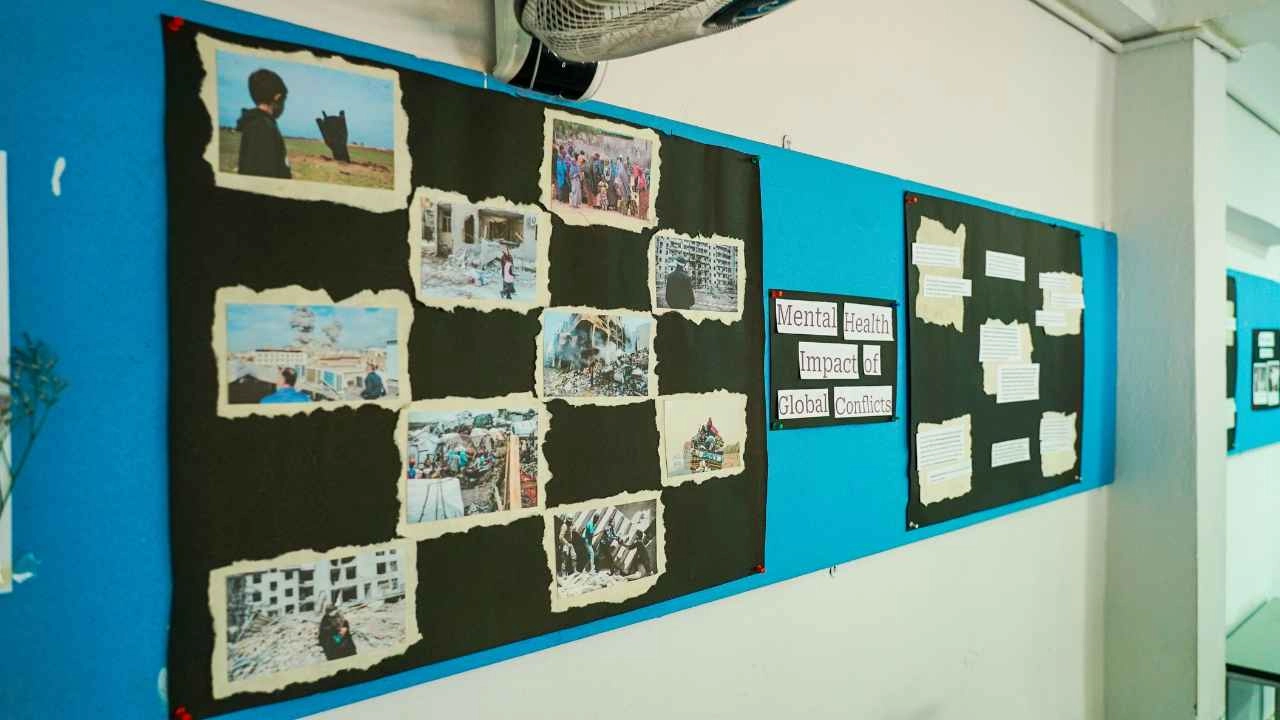
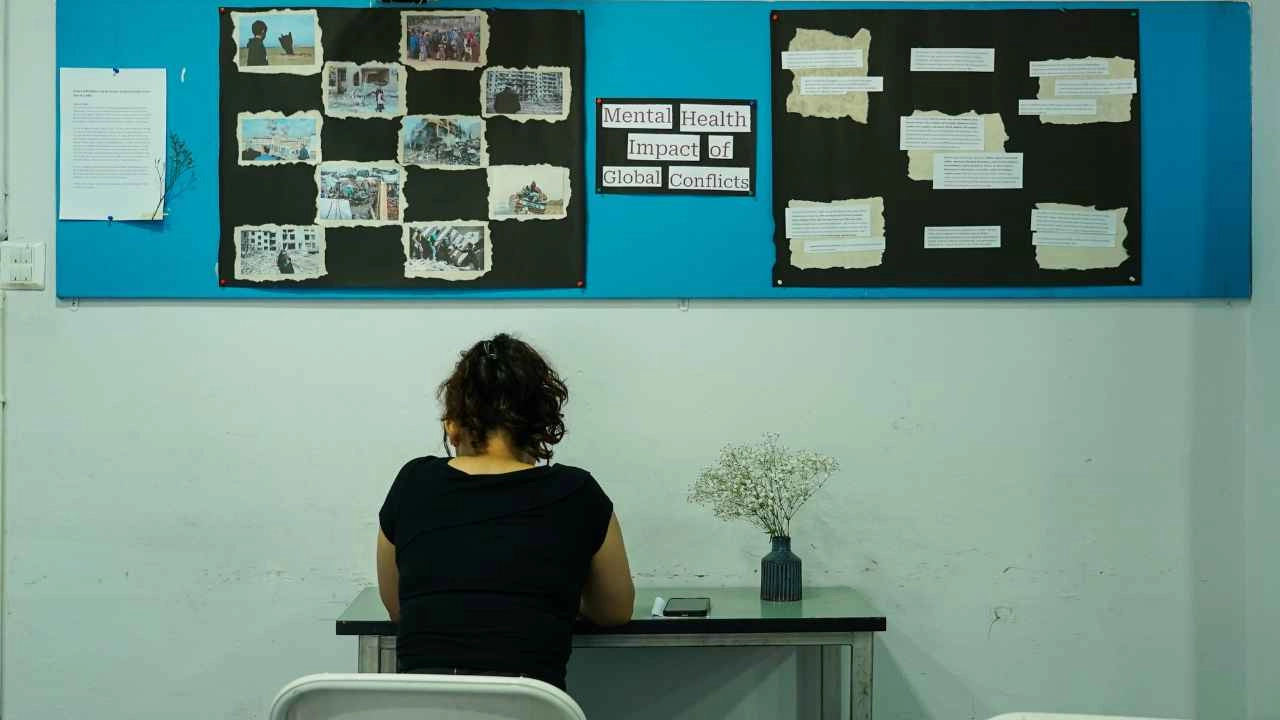
This room was filled with stories and pictures of survivors of war-torn and conflict zones. The stories were from World War II to the ongoing war in the Gaza strip, Rwanda, Lebanon, and Sudan. The rooms explored the concept of coping mechanisms used by the survivors and refugees to cope with the trauma of the war, displacement and destruction of their homes. The coping strategies ranged from religious faith and spirituality, journaling, letter writing and play for children. These strategies show the world how despite uninhabitable conditions, people have used methods that mental health practitioners use are being utilized unknowingly by the survivors. With little to no mental health support in war-torn areas, local resources and communities are stepping up to provide support and strength through faith for adults and play for children.
Visitors expressed gratitude for addressing real time situations of victims ot just physically but also mentally and for providing voice to the voiceless. Many visitors also expressed not knowing these coping strategies before the exibition and ways on which survival is also mental and nolt just physical.
Room II: Trauma-Informed Practices
The room was curated specially for students of psychology, with the aim to learn about trauma-informed approaches. With the global crises in rise, trauma-informed approach has become much needed especially in the field of mental health practices. This room explores the concept of trauma informed practice, a holistic approach to healing without negating the person or their experiences. From the lens of trauma from war and conflict, the approach focuses on refugee trauma and the importance of mental health support in refugee camps and the process of resilience and adaptation. The room also addresses the vicarious trauma and burnout felt especially with the advent of social media and the news of war teaching people from the survivors and victims themselves.
Visitors appreciated the incorporation of trauma informed approach in relation to the first room. They also expressed knowing about trauma and its how it affects different people. Some visitors also expressed for more personal stories from the trauma-informed approach rather than just thereotical definitions.
Room III: A Room of Empathy and Compassion
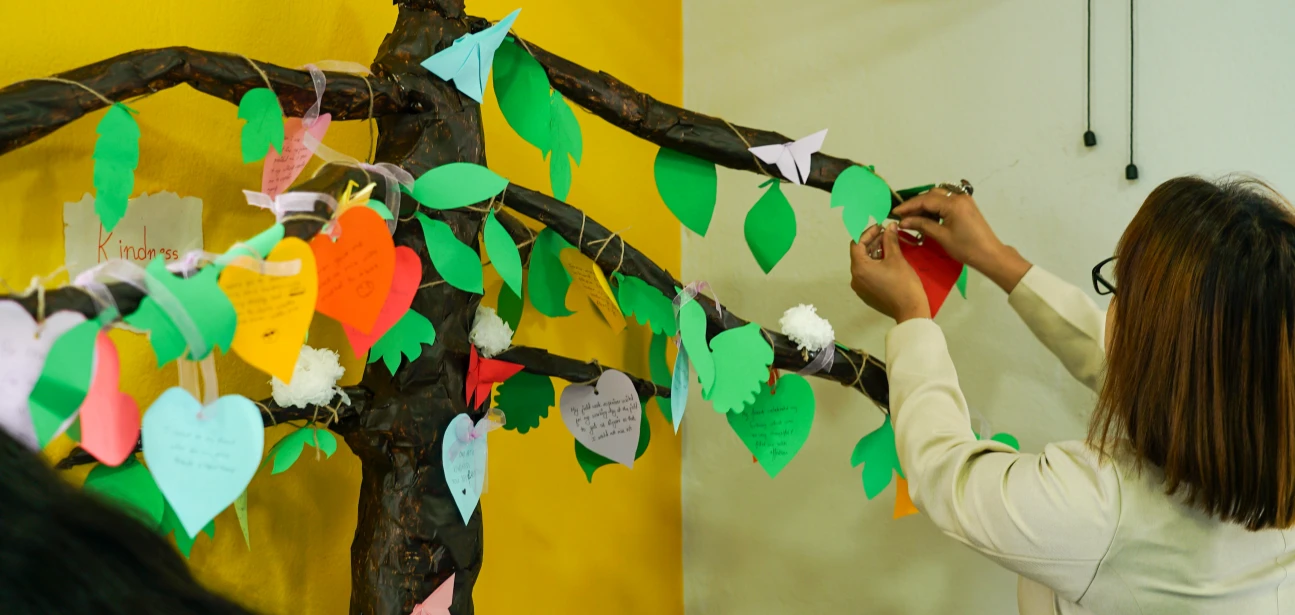
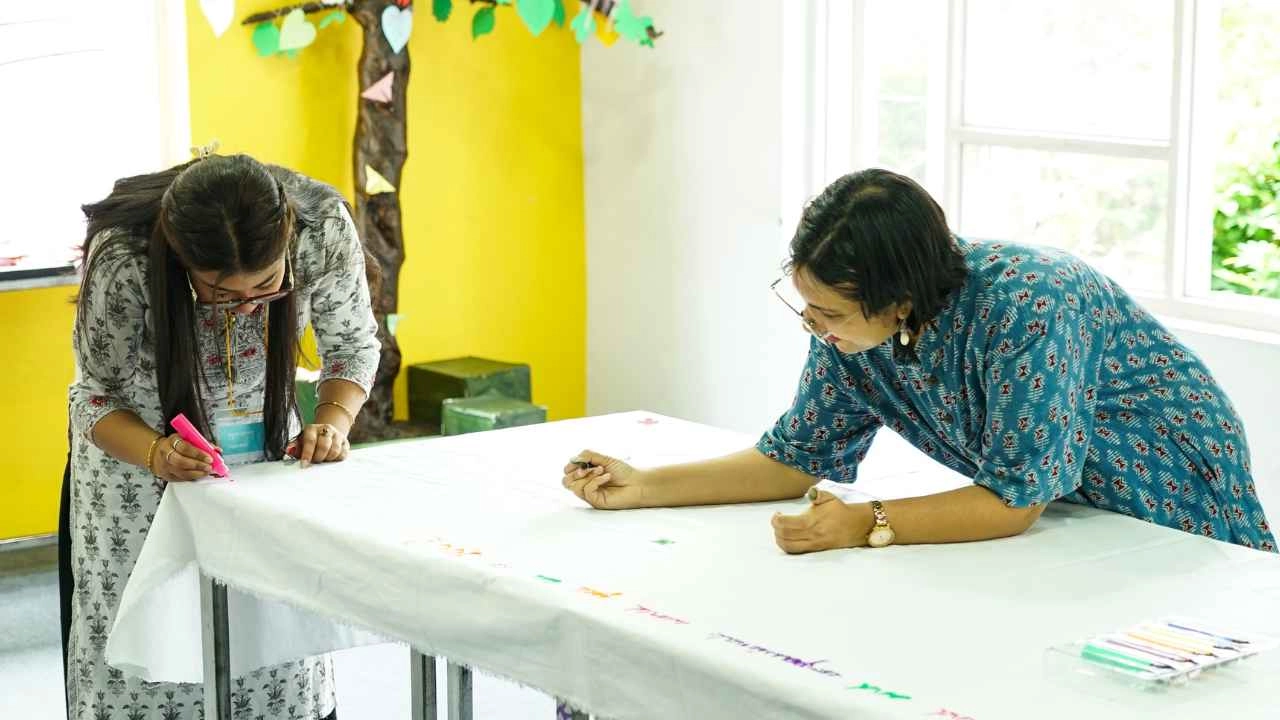
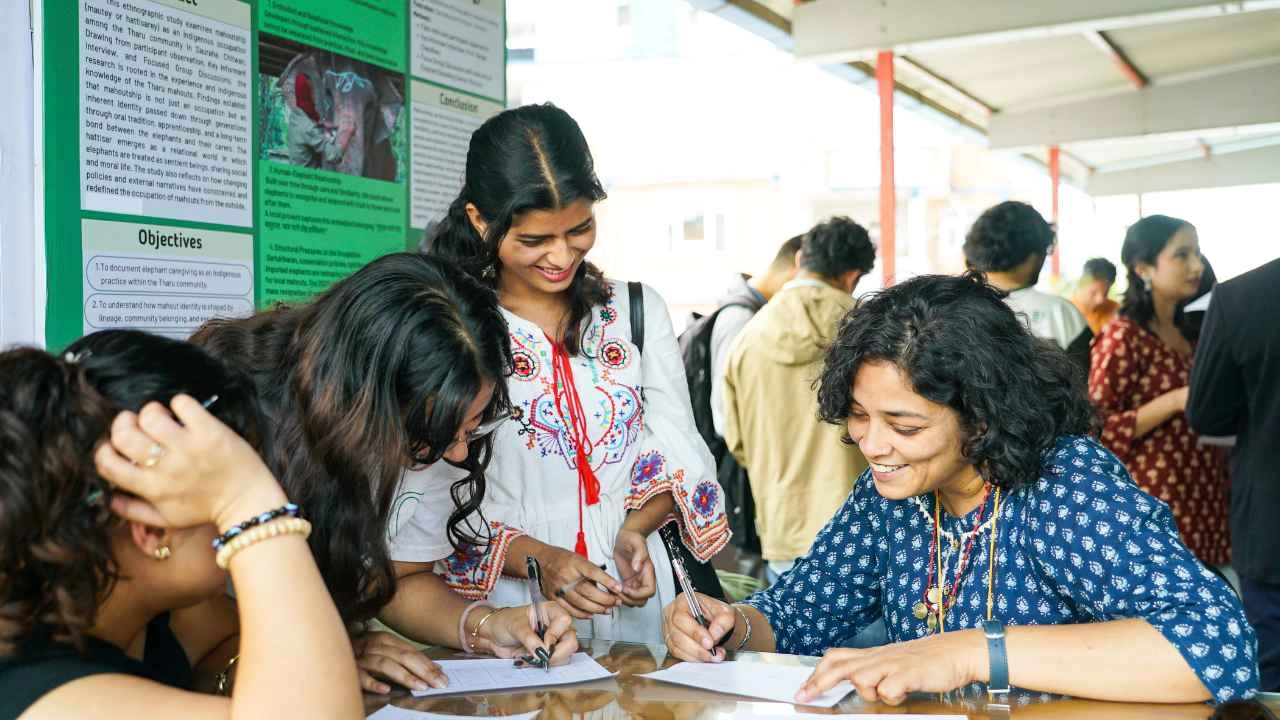
The room was filled with activities for reflection and decompression for the visitors. The room contained a kindness tree for visitors to recount one act of kindness they experienced, mirrors for visitors to reflect on empathy and sympathy, letters to strangers and visualization activities. The room aimed to build compassion and empathy for strangers and especially reflect upon the sufferings of the people affected by war.
Visitors enjoyed the varrious activities of this room. They said that the activities were really engaging and interactive, the kindness tree and letter to stranger were the most popular amongst the activities for the visitiors.
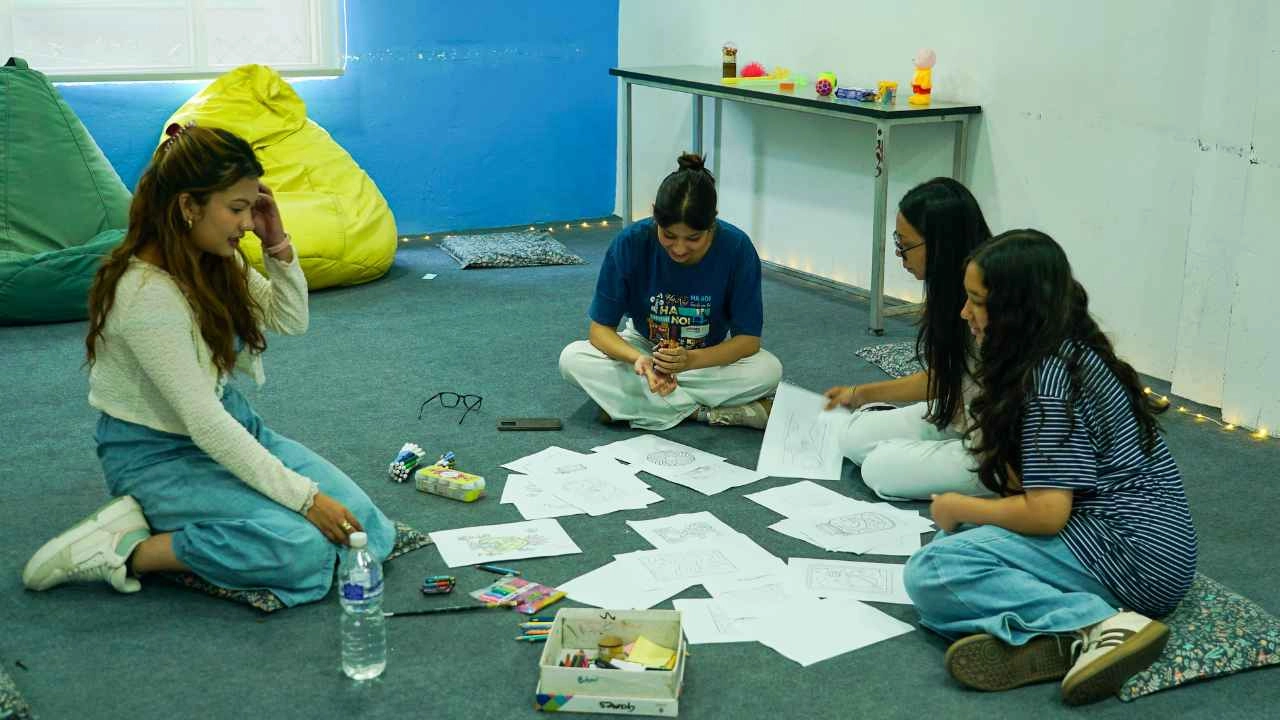
Room IV: Sensory Room
This room was filled with activities that engage the five senses of the human body. The activities included sensory experiences using slimes and clay for textures, buttons for sound, flowers for smell, chocolate for taste, bubbles for relaxation, coloring books and story books for overall grounding. This room was a crowd favourite and the visitors spend most of their time here.
Visitors appreciated this room for focusing on a space for sensory experiences. The visitors felt happy and safe engaging in the various activities in the room.

We care about your data in our privacy policy