

At Thames International College, we strive to provide you with a well-rounded education that prepares you for the challenges of the real world. Our undergraduate programs are built to develop both practical skills and academic knowledge.
With majors in Business, Management, Social Sciences, and Information Technology, you are equipped with hands-on learning, critical thinking, and career-focused training. Whether you aspire to be a business leader, a social worker, or a tech innovator, Thames is where your journey begins.
About UsThe college takes a liberal approach to education, introducing a learning that empowers students as individuals and prepares them to deal with the complexity, diversity, and change in the modern world.
The School of Business and Management (SoBM) at Thames International College offers a range of undergraduate programs including Business Administration (BBA), Marketing (BBA), Banking and Finance (BBA), Business Management (BBM), and Entrepreneurship (BBM). Our comprehensive curriculum is designed to provide students with the skills and knowledge they need to succeed in the real world of business.
Learn more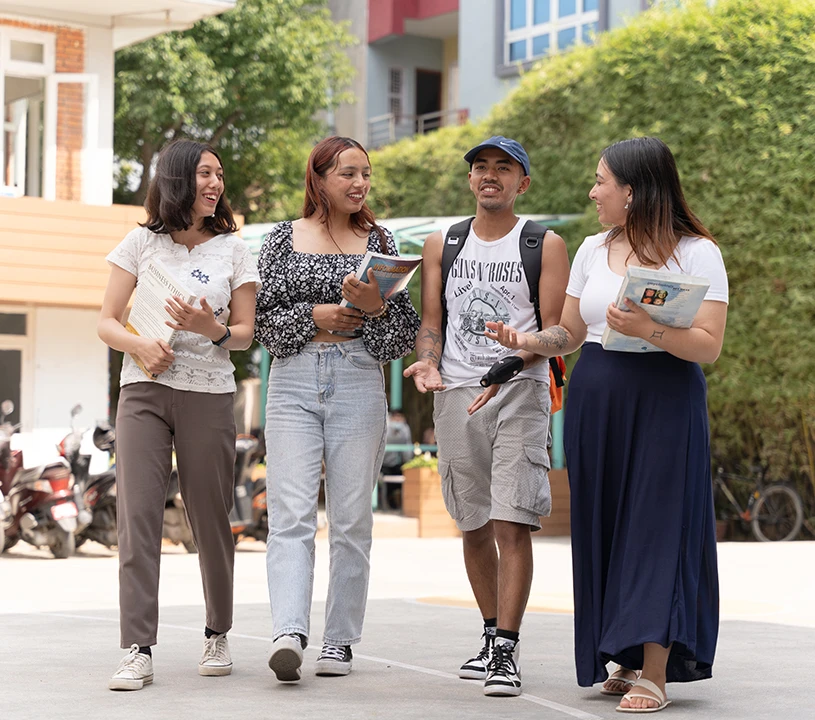
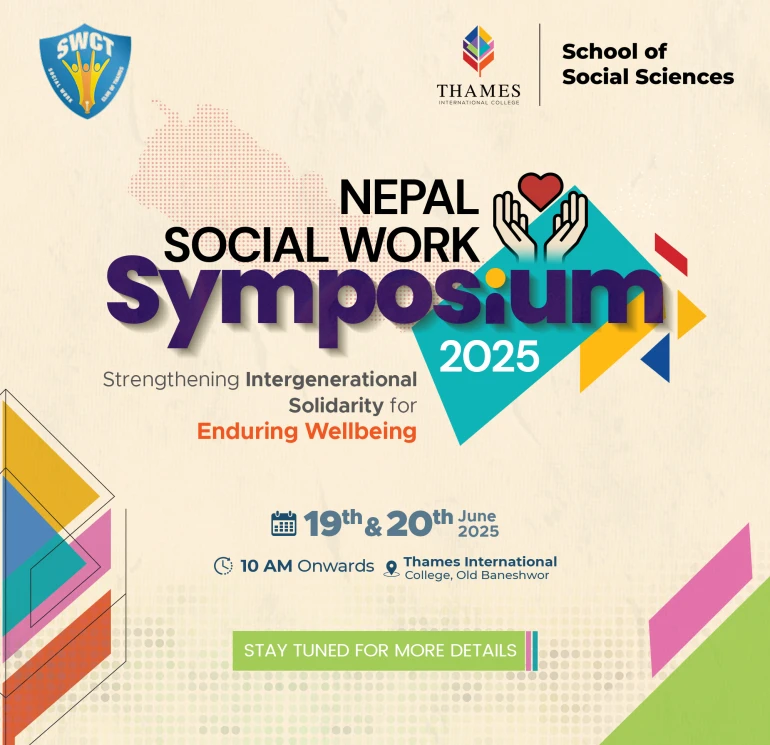
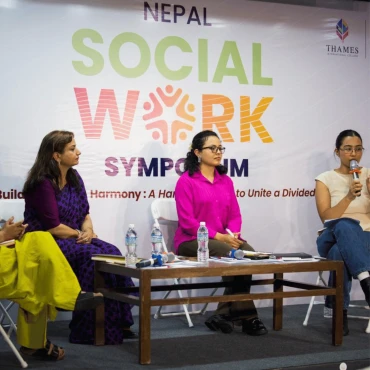
The School of Social Sciences (SoSS) at Thames International College offers a diverse range of undergraduate programs including Psychology, Sociology, and Social Work. Our dynamic curriculum is designed to promote critical thinking, social awareness, and research skills. With expert faculty and practical experiences, SoSS prepares students for meaningful careers in various fields of social service...
Learn more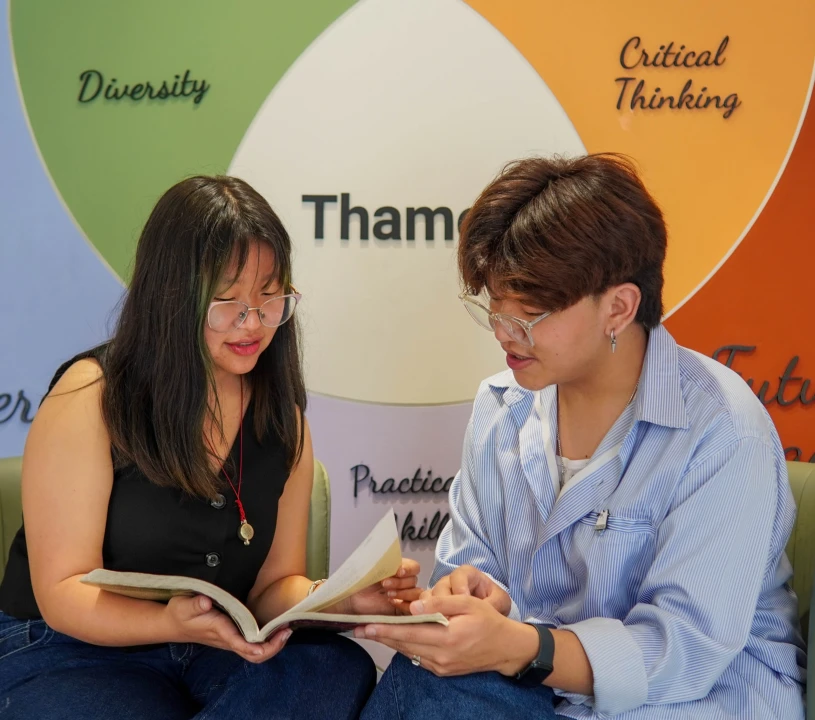
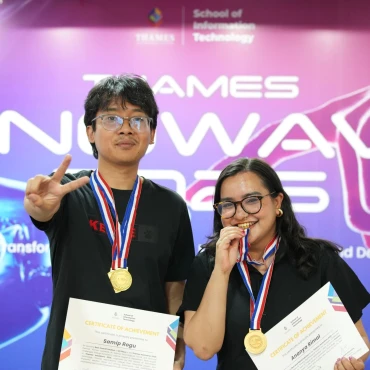
The School of Information Technology at Thames International College embraces the rapidly evolving landscape of technology and offers highly sought-after undergraduate programs like Information Technology Management (BITM) and Computer Application (BCA). Our innovative curriculum integrates cutting-edge technologies like cybersecurity, data analytics, and artificial intelligence, giving students t...
Learn more
Thames Future Ready Programs are designed for students seeking to advance their career prospects or pursue interest beyond their major. This collaborative initiative between the schools offers an array of intensive certificate programs for students. While engaging in the most academically rigorous courses, students will also have the opportunity to study alongside their peers from different discip...
Learn more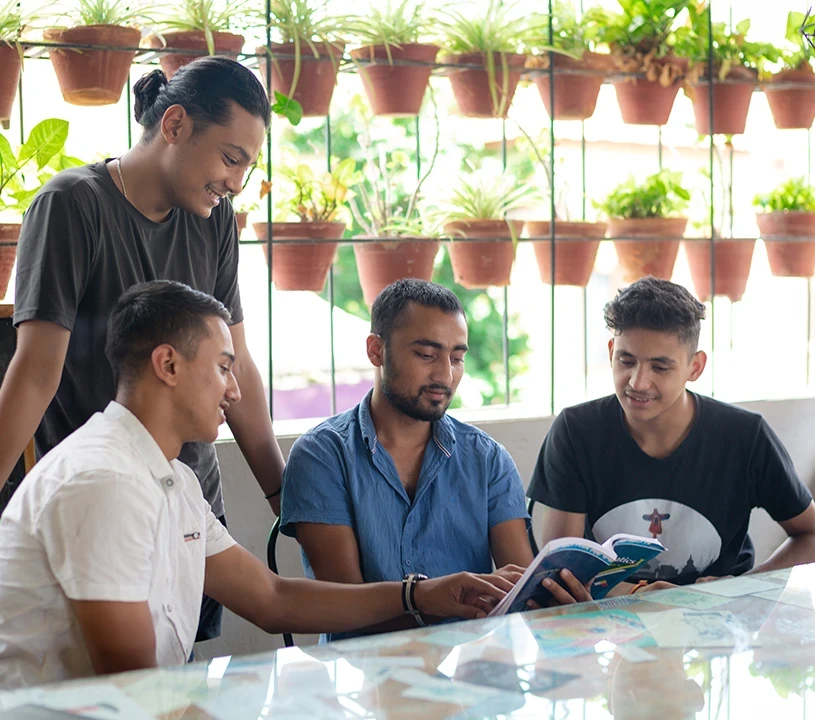
Experience a personal and transformative college journey supported by our Scholarships Program, paving the way for your bright future
Explore MoreTell us a little about yourself and we'll help you with the rest. Our convenient online application tool only takes 10 minutes to complete.
After you submit your application, an admission counsellor or student representative will contact you and help you complete the process.
You will proceed to the next phase after demonstrating your eligibility and merit for the scholarship.
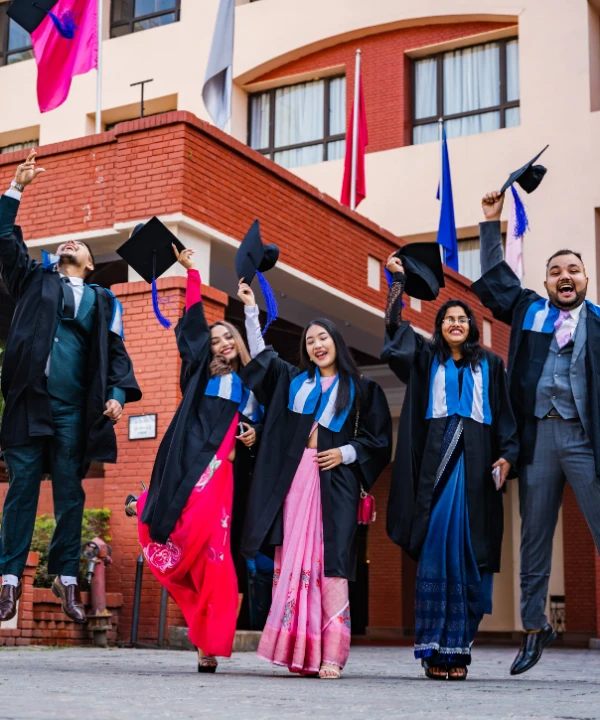

Co-Founder | Canopy Nepal
Thames is a wonderful platform for students who are looking to learn new skills and adapt to the real world. One of the things that I admire most about Thames is the student life that helped me balance my life as a student and as a professional. The student-centric environment at Thames helped me start a student magazine & conduct many events and activities that helped me grow as a professional.

Co-Founder | Astitwa Nepal Board of Directors | Danfe Works Enterprises Nepal Country Team Committee | Fashion Revolution Nepal Content Creator
Thames Life was an unforgettable experience for me and I wish I could go back to it if I had a chance. The academic service that Thames offered was excellent and helped me learn a lot. The faculty members were supportive and knowledgeable and gave me the best guidance. The platform that Thames provided was invaluable and prepared me well for the professional world.

Professional Athlete | Nepal Police Academy
Thames offers opportunities for learning beyond the regular classroom, which has definitely shaped my learning experience as an athlete in a way I never expected. Initially, I had difficulties balancing my athletic career and studies but the unique learning environment of college guided me to take forward both aspects hand-in-hand. One of the main highlights of my college life was being able to form a women's basketball team and winning several tournaments.

Planning Officer | National Planning Commission
Thames, first of all, is very different from the rest. From the very beginning, it felt like a place that embraced the future, nurturing students' unique abilities and capacities. For any aspiring student, this institution presents an incredible opportunity for growth. My journey at Thames has been nothing short of transformative. From engaging in diverse programs to once-in-a-lifetime experiences like a visit to France, Thames has shaped me holistically.
Discover endless possibilities. Download our prospectus to explore the enriching academic programs and vibrant campus life at Thames International College
Download Prospectus